
News
Wired for Growth but Short on Skilled Electricians
Feb
Wired for Growth but Short on Skilled Electricians
Australia’s electrical industry is experiencing a significant skills shortage, creating challenges for businesses, infrastructure projects, and the broader economy. As demand for electrical services continues to grow across sectors such as construction, mining, renewable energy, and infrastructure, employers are finding it increasingly difficult to recruit qualified electricians with the right mix of technical skills and practical experience.
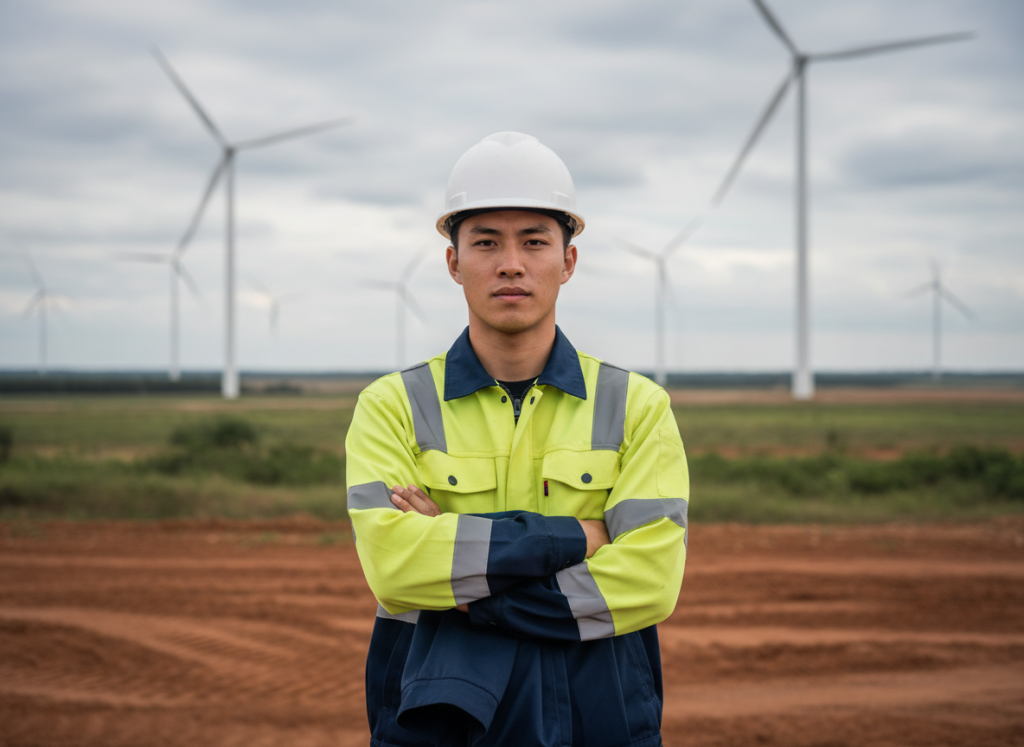
One of the key factors driving this shortage is the rapid expansion of major projects across Australia. Large-scale developments in renewable energy, transport infrastructure, and commercial construction all require highly skilled electrical workers. Solar farms, wind projects, data centres, and new residential developments are placing additional pressure on an already stretched workforce. As these projects multiply, the demand for electricians is outpacing the number of new tradespeople entering the industry.
Another major contributor to the shortage is the ageing workforce. Many experienced electricians who entered the trade decades ago are now approaching retirement. These workers often hold valuable knowledge and specialised expertise that is difficult to replace quickly. As they leave the workforce, companies must find ways to attract and train a new generation of electricians who can step into these roles.
At the same time, the technical complexity of electrical work is increasing. Modern electrical systems are more advanced than ever before, integrating automation, digital controls, and renewable energy technologies. Electricians today must understand not only traditional wiring and installation practices but also sophisticated systems such as high voltage networks, energy storage, and smart grid technology. This evolving landscape means that ongoing training and skills development are essential for maintaining industry standards and ensuring electricians are equipped to meet modern demands.
Apprenticeships remain one of the most important pathways for building the future workforce. Electrical apprenticeships provide practical, hands-on training while allowing new entrants to learn directly from experienced professionals. However, the industry needs more apprentices entering the trade to keep pace with future demand. Encouraging school students and career changers to consider electrical careers will be critical in addressing the skills gap over the long term.
Training organisations also play an important role in supporting workforce development. By offering pre-apprenticeship programs, specialised technical courses, and upskilling opportunities for qualified electricians, training providers help ensure that workers can develop the competencies required by modern industry. Courses in areas such as high voltage operations, safety procedures, and specialised electrical systems enable electricians to broaden their capabilities and take on more advanced roles within the workforce.
For businesses, addressing the skills shortage requires a proactive approach. Companies are increasingly investing in staff development, partnering with training providers, and supporting apprenticeships to secure their future workforce. Those that prioritise training and career progression are more likely to attract and retain skilled employees in a competitive labour market.
Ultimately, the skills shortage facing Australia’s electrical industry is both a challenge and an opportunity. While the demand for electricians continues to rise, the industry also has the chance to build a stronger, more capable workforce through education, training, and strategic investment in people. By encouraging new entrants into the trade and supporting ongoing professional development, Australia can ensure it has the skilled electrical workforce needed to power the nation’s future.

Hi, this is a comment.
To get started with moderating, editing, and deleting comments, please visit the Comments screen in the dashboard.
Commenter avatars come from Gravatar.